Could a new future for coeliac disease testing be around the corner?
How we test for coeliac disease is changing. For the past 20 years, the diagnosis of coeliac disease has been based on two key pillars: coeliac serology (the antibody test, either tissue transglutaminase (TTG) or deamidated gliadin peptides (DGP)), in combination with duodenal biopsies. These tests remain at the centre of national and international guidelines about how we test for coeliac disease, and are likely to remain so for the near future.
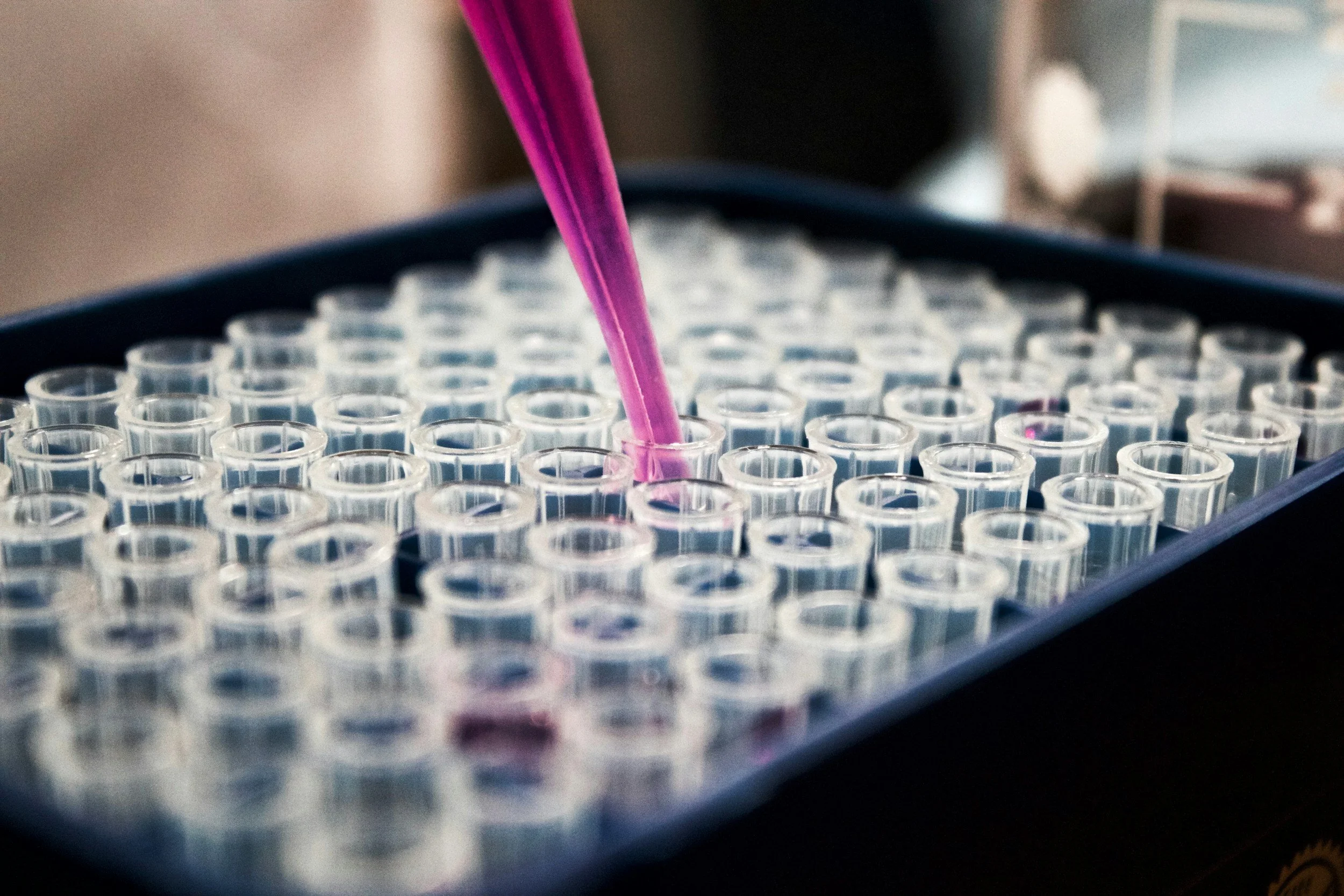
However, these tests are far from perfect, and have some specific drawbacks and problems which can really affect patients. First, to obtain tissue biopsies patients need to undergo an endoscopy, which can be a real challenge for some patients, particularly children. Second, all our current tests rely on patients still eating gluten in the run up to the test, which means that the tests aren't accurate for patients following a gluten-free diet.
The first big development is the increasing move towards serological diagnosis in some patients. This means patients are diagnosed based on blood tests alone, rather than endoscopy. Avoiding the endoscopy can speed up diagnosis and reduce healthcare costs, as well as the inconvenience of an invasive test (albeit one that is very safe and quick). Data from studies in the past 10 years has shown that serological diagnosis is very accurate in some kids, and can also be accurate in adults.
There are some problems with a serological diagnosis though. First, coeliac antibodies can sometimes be elevated in patients who do not have coeliac disease, and do not have any intestinal damage. This is more likely if the antibody levels are not very high (less than 10 times the upper limit of normal). However, even at higher levels, the blood tests can be inaccurate. This is more likely in patients with few symptoms, or those with other autoimmune conditions. This means that there is a risk that some patients may be diagnosed with coeliac disease when they do not have the condition, which means they may follow a gluten-free diet unnecessarily. It can also mean that other problems seen at the endoscopy are not seen, and are therefore missed.
It is therefore really important that a diagnosis of coeliac disease is made by a specialist, as is recommended in national and international guidelines. They can then make a recommendation about whether an endoscopy is needed, and discuss the pros and cons of the procedure with the patient, to ensure a timely and accurate diagnosis.
The second problem I frequently see is the challenge of diagnosing coeliac disease in a patient already following a gluten free diet. When someone with coeliac disease cuts out gluten, the coeliac antibody levels reduce and often return to normal, and the inflammation in the gut settles. This means that the test results will be 'normal' even though the patient really does have coeliac disease. Unfortunately, often people have already cut out gluten and are feeling better. They are understandably reluctant to reintroduce gluten for the amount of time needed to undergo testing (6-8 weeks of 2-3 slices of bread a day usually) as it will trigger bad symptoms.
However, researchers in Australia have developed a new test which could revolutionise how we test for coeliac disease in this setting. The Novoleukin test exposes a blood sample from a patient to a small amount of protein fragments from gluten, and then measures whether the immune cells (called T cells) in the blood react to this by releasing a chemical messenger called IL-2. In the first study describing this test, published last year, the Novoleukin test performed well, identifying many patients with coeliac disease despite being on a gluten free diet.
The Novoleukin test could greatly help us in testing for coeliac disease in people already cutting out gluten. Further testing is needed to see how well the test performs in bigger studies, and in specific groups of patients, such as those from different ethnicities and patients with different coeliac genotypes. However, it offers real hope to many.
There's other developments on the horizon too, such as AI tools which could help pathologists analyse the duodenal biopsies quicker, allowing for faster, more accurate results and less pressure on pathology services. There are also new tests in early stages for monitoring coeliac disease, which could allow us to assess how the gut has healed on a gluten free diet without a further endoscopy.
Overall, the future is bright, and there is a real possibility of a revolution in coeliac disease testing in the coming years.